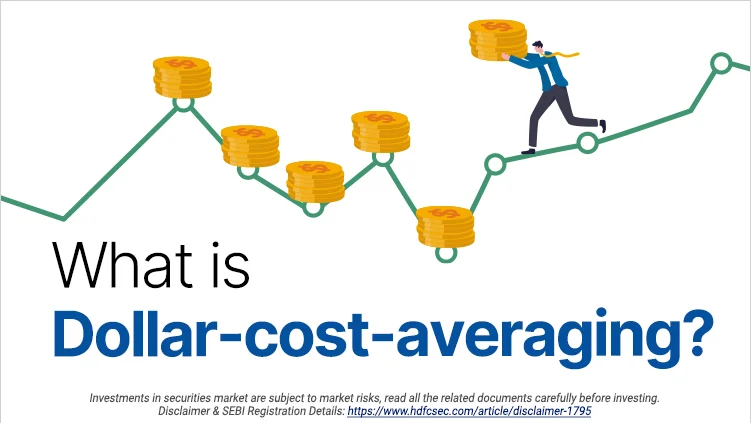
Dollar-Cost Averaging Explained: The Lazy Investor’s Secret Weapon
Investing in the stock market can feel overwhelming. Between timing the market, analyzing individual stocks, and watching economic indicators, many would-be investors never get started at all. But what if there was a strategy so simple that you could implement it in your sleep? Enter dollar-cost averaging—a methodical approach to investing that has helped countless investors build wealth without the stress of perfect timing.
Dollar-cost averaging is often called the “lazy investor’s secret weapon,” not because it requires laziness, but because it removes the psychological burden and complexity from investing. This comprehensive guide will explore everything you need to know about this powerful strategy, from how it works to why it might be the perfect approach for your financial goals.
What Is Dollar-Cost Averaging?
Dollar-cost averaging is an investment strategy where you invest a fixed amount of money at regular intervals, regardless of what the market is doing. Instead of trying to time the market by investing a lump sum when you think prices are low, you invest the same dollar amount on a consistent schedule—whether that’s weekly, monthly, or quarterly.
The beauty of this approach lies in its simplicity and automation. When prices are high, your fixed investment amount buys fewer shares. When prices are low, that same amount buys more shares. Over time, this results in an average cost per share that smooths out the volatility of the market.
Think of it this way: imagine you commit to investing five hundred dollars every month into an index fund. In January, when the share price is fifty dollars, you buy ten shares. In February, a market correction drops the price to forty dollars, so your five hundred dollars now buys 12.5 shares. In March, prices recovered to forty-five dollars, giving you about 11 shares. Without trying to predict market movements, you’ve automatically bought more shares when they were cheaper and fewer when they were expensive.
The Psychology Behind Dollar-Cost Averaging
One of the most underappreciated aspects of dollar-cost averaging is how it addresses the psychological challenges of investing. Human beings are notoriously poor at making rational decisions when emotions are involved, and nothing triggers emotions quite like watching your hard-earned money rise and fall with market fluctuations.
Market timing—the practice of trying to buy low and sell high—sounds simple in theory but is extraordinarily difficult in practice. Even professional fund managers struggle to consistently time the market correctly. The average investor faces even steeper odds, often falling prey to common behavioral biases.
Fear and greed drive many investment decisions. When markets are soaring, and everyone is making money, greed kicks in, and investors pile into stocks at peak prices. When markets crash,h and panic sets in, fear takes over, and investors sell at the bottom, locking in losses. This cycle of buying high and selling low is the opposite of successful investing.
Dollar-cost averaging eliminates these emotional decisions. You’re not trying to predict whether the market will go up or down next month. You’re simply committing to invest a specific amount on a specific schedule, removing the temptation to second-guess yourself or react to market noise.
This autopilot approach also solves another psychological challenge: analysis paralysis. Many people postpone investing because they’re waiting for the “perfect” time or want to do more research. With dollar-cost averaging, you acknowledge that you can’t know the perfect time, so you start now and invest consistently. The best time to plant a tree was twenty years ago; the second-best time is today.
How Dollar-Cost Averaging Works in Practice
Let’s examine a concrete example to understand how dollar-cost averaging plays out over time. Suppose you decide to invest three hundred dollars every month into a total market index fund over the course of a year.
In Month 1, the fund’s share price is thirty dollars, so you buy ten shares. Month 2 sees a price increase to thirty-three dollars, giving you about 9.09 shares. By Month 3, market volatility has driven the price down to twenty-seven dollars, allowing you to purchase 11.11 shares. This pattern continues throughout the year, with prices fluctuating based on market conditions.
After twelve months of investing three hundred dollars monthly, you’ve invested a total of three thousand six hundred dollars. Due to the varying prices throughout the year, you might have accumulated 125 shares at an average cost of twenty-eight dollars and eighty cents per share. If the share price at year-end is thirty-two dollars, your investment is now worth four thousand dollars—a gain of four hundred dollars, or about 11 percent.
The key insight is that your average cost per share of twenty-eight dollars and eighty cents might be lower than if you had invested the entire three thousand six hundred dollars as a lump sum at certain points during the year. If you had invested everything when the price was at its peak of thirty-three dollars, you would have bought only 109 shares, leaving you worse off.
Dollar-Cost Averaging vs. Lump Sum Investing
A common debate in investment circles is whether dollar-cost averaging or lump-sum investing produces better returns. Studies, including research from financial institutions, have shown that lump sum investing typically outperforms dollar-cost averaging from a purely mathematical standpoint, particularly in rising markets.
This makes intuitive sense. If markets generally trend upward over time (which historical data suggests they do), getting all your money invested immediately means you capture more of that upward movement. By spreading investments over time, you might miss out on some gains during the periods when your money is still sitting in cash.
However, this mathematical advantage doesn’t tell the whole story. First, most people don’t have large lump sums sitting around waiting to be invested. Dollar-cost averaging naturally fits how most people earn and save—through regular paychecks and periodic contributions to investment accounts.
Second, the psychological benefits of dollar-cost averaging can be worth more than the potential mathematical advantage of lump-sum investing. An investor who dollar-cost averages and stays invested through market volatility will likely outperform someone who invests a lump sum but panics and sells during the first major downturn.
Third, the advantage of lump sum investing varies significantly based on when you invest. If you invest a lump sum right before a market crash, you’ll fare much worse than someone who dollar-cost averages during that same period. While dollar-cost averaging might reduce potential upside in rising markets, it also provides downside protection in falling markets.
The Benefits of Dollar-Cost Averaging
Beyond the psychological advantages already discussed, dollar-cost averaging offers several concrete benefits that make it attractive for many investors.
Disciplined Saving and Investing: By committing to invest a fixed amount regularly, you create a disciplined savings habit. This systematic approach ensures that investing becomes a priority rather than something you do only when you have “extra” money. Many people find that once they automate their investments, they don’t even miss the money from their checking account.
Lower Average Cost Per Share: In volatile markets, dollar-cost averaging can help you achieve a lower average cost per share than if you tried to time a single large purchase. While you’ll buy some shares at higher prices, you’ll also buy some at lower prices, and the mathematics of averaging work in your favor.
Reduced Risk of Poor Timing: The worst-case scenario for a lump sum investor is putting all their money in right before a significant market decline. Dollar-cost averaging spreads out your entry points, reducing the risk that you’ll invest everything at precisely the wrong moment. This doesn’t eliminate risk, but it does spread it across multiple time periods.
Accessibility for Beginners: Dollar-cost averaging makes investing accessible to people who don’t have large amounts of capital upfront. You can start with small amounts—some investment platforms allow investments as low as five or ten dollars—and build your portfolio gradually over time.
Emotional Comfort During Volatility: When markets drop, lump sum investors might feel regret and anxiety watching their investment decline. Dollar-cost averaging investors can view the same decline as an opportunity—their fixed investment amount now buys more shares at lower prices. This mental framing can make it easier to stay invested through market turbulence.
The Limitations and Drawbacks
Despite its many advantages, dollar-cost averaging isn’t perfect. Understanding its limitations helps you decide whether it’s the right strategy for your situation.
Potential Opportunity Cost: In consistently rising markets, dollar-cost averaging means you’re keeping portions of your investment capital in cash for extended periods. That cash earns minimal returns compared to being fully invested in the market, resulting in lower overall returns than lump sum investing in many scenarios.
Transaction Costs: If you’re paying trading commissions for each purchase, frequent investments can eat into your returns. Fortunately, many modern brokers offer commission-free trading, largely eliminating this concern. However, if you’re investing in mutual funds with sales loads or transaction fees, these costs can add up.
Delayed Full Exposure: If your investment thesis is that the market will rise over the long term (which is a reasonable assumption based on historical data), dollar-cost averaging delays your full exposure to that growth. The money you plan to invest next year isn’t benefiting from this year’s potential gains.
Not a Protection Against Long-Term Decline: Dollar-cost averaging helps with volatility and reduces the risk of poor market timing, but it doesn’t protect you if the overall trend of your investment is downward. If you’re dollar-cost averaging into a failing company or declining sector, you’ll simply end up owning more shares of something that’s losing value.
Requires Discipline: While dollar-cost averaging is simple in concept, it requires discipline in execution. You need to continue investing during market crashes when every instinct might tell you to stop. If you abandon the strategy during downturns, you lose one of its primary benefits.
Who Should Use Dollar-Cost Averaging?
Dollar-cost averaging works particularly well for certain types of investors and situations.
Regular Income Earners: If you receive a paycheck every two weeks or a month, dollar-cost averaging aligns perfectly with your cash flow. You can automatically invest a portion of each paycheck, building wealth gradually without needing to save up a large lump sum first.
Retirement Savers: Workplace retirement plans like 401(k)s are essentially forced dollar-cost averaging programs. Every pay period, a portion of your salary goes into your retirement account and buys shares of your chosen investments. This autopilot approach has helped millions of Americans build substantial retirement savings.
Risk-Averse Investors: If the thought of investing a large sum all at once makes you anxious, dollar-cost averaging provides emotional comfort. The gradual approach feels safer and can help you get started investing rather than remaining paralyzed by fear.
Beginning Investors: When you’re just starting your investment journey, dollar-cost averaging allows you to learn about markets and investing while building your portfolio. You can observe how markets work without the pressure of having made a large initial commitment.
People in Volatile Markets: During periods of high market uncertainty, dollar-cost averaging can feel more comfortable than making large investment decisions. Even experienced investors sometimes prefer to ease into positions during turbulent times.
Implementing Dollar-Cost Averaging Successfully
If you decide dollar-cost averaging is right for you, follow these guidelines to maximize its effectiveness.
Choose the Right Investments: Dollar-cost averaging works best with diversified investments like index funds or exchange-traded funds that track broad market indices. Trying to dollar-cost average into individual stocks or narrow sectors increases your risk, as these can experience permanent declines rather than temporary volatility.
Set a Consistent Schedule: Decide on a regular investment schedule—monthly is most common, but weekly, biweekly, or quarterly can also work. The key is consistency. Match your investment schedule to your income schedule for the easiest implementation.
Automate Everything: Set up automatic transfers from your checking account to your investment account, and automatic purchases of your chosen investments. Automation removes the temptation to skip contributions or second-guess your strategy when markets are volatile.
Start with an Appropriate Amount: Choose an investment amount you can sustain long-term. It’s better to start with a smaller amount you can consistently maintain than to start too aggressively and have to reduce or stop your contributions later. You can always increase your contribution amount over time.
Stay the Course: The hardest part of dollar-cost averaging is continuing to invest during market downturns. Remember that buying shares at lower prices is actually advantageous—those shares will benefit more when markets recover. Historical data show that markets have always recovered from downturns, though past performance doesn’t guarantee future results.
Review Periodically, But Don’t Obsess: While you should review your investment strategy periodically—perhaps annually—avoid checking your account balance daily or weekly. Frequent checking can lead to emotional reactions that undermine your long-term strategy.
Dollar-Cost Averaging in Different Market Conditions
Understanding how dollar-cost averaging performs in various market environments helps set realistic expectations.
Bull Markets: In steadily rising markets, dollar-cost averaging will typically underperform lump sum investing because your average cost per share keeps rising as the market climbs. However, you still benefit from market growth, just not quite as much as if you had invested everything upfront. The difference is often smaller than people expect, particularly over shorter time frames.
Bear Markets: This is where dollar-cost averaging shines. As markets fall, your regular investments buy more and more shares at decreasing prices. When markets eventually recover, these shares purchased at lower prices can generate substantial gains. Investors who continued dollar-cost averaging through the 2008 financial crisis or the 2020 pandemic crash were well-positioned for the subsequent recoveries.
Sideways Markets: In markets that move up and down but don’t show a clear long-term trend, dollar-cost averaging can actually outperform lump-sum investing. The strategy naturally buys more shares during the down periods and fewer during the up periods, potentially resulting in a favorable average cost.
Volatile Markets: High volatility creates ideal conditions for dollar-cost averaging to demonstrate its value. Wide price swings mean bigger differences between your buying prices, and the averaging effect becomes more pronounced. Your regular contributions help smooth out the roller coaster.
Common Mistakes to Avoid
Even with a simple strategy like dollar-cost averaging, investors can make mistakes that reduce its effectiveness.
Stopping During Downturns: The biggest mistake is halting your contributions when markets fall. This defeats the entire purpose of dollar-cost averaging. The best buying opportunities often come during the scariest market conditions.
Trying to Time Individual Contributions: Some investors try to “enhance” dollar-cost averaging by skipping contributions when they think markets are too high or doubling up when they think markets are low. This reintroduces the market timing problem that dollar-cost averaging is designed to avoid.
Choosing Poor Investments: Dollar-cost averaging into a poorly chosen investment won’t save you. The strategy helps with timing and emotional management, but it doesn’t compensate for investing in fundamentally flawed assets. Stick with diversified, low-cost index funds for the most reliable results.
Investing More Than You Can Afford: Setting your contribution amount too high can force you to stop investing or even sell shares to cover expenses. Be realistic about your budget and leave yourself a financial cushion.
Forgetting to Increase Contributions: As your income grows over time, consider increasing your investment contributions accordingly. Many employer retirement plans offer automatic annual increases, which is an excellent way to boost your long-term wealth building.
The Tax Implications
Understanding the tax consequences of dollar-cost averaging can help you implement it more effectively.
In tax-advantaged retirement accounts like IRAs and 401(k)s, taxes generally aren’t a concern for your ongoing contributions and investment growth. You’ll pay taxes when you withdraw money in retirement (for traditional accounts) or pay taxes upfront with no taxes on withdrawals (for Roth accounts).
In taxable brokerage accounts, dollar-cost averaging creates multiple purchase lots with different costs and purchase dates. This can actually be advantageous for tax planning. When you eventually sell shares, you can choose which specific lots to sell, potentially minimizing your capital gains taxes.
For example, if you need to sell some shares but want to minimize taxes, you can sell the lots with the highest cost basis (reducing your taxable gain) or sell lots you’ve held for over a year (qualifying for lower long-term capital gains rates). This flexibility is one subtle advantage of dollar-cost averaging over lump-sum investing.
Dollar-Cost Averaging and Retirement Planning
For retirement planning, dollar-cost averaging isn’t just a strategy—it’s built into the system. Every contribution to your 401(k), 403(b), or similar workplace retirement plan represents dollar-cost averaging in action.
This systematic approach has proven remarkably effective at helping people build retirement wealth. By investing a portion of every paycheck over decades, workers gradually accumulate substantial nest eggs without needing to make complex investment decisions or time the market.
Many employers offer automatic enrollment and auto-escalation features that start employees at a modest contribution rate and gradually increase it over time. This creates a powerful dollar-cost averaging system that requires no ongoing decisions from the employee.
The lesson is clear: the systematic, disciplined approach of dollar-cost averaging, applied consistently over decades, is one of the most reliable paths to building wealth for retirement.
Conclusion: Is Dollar-Cost Averaging Right for You?
Dollar-cost averaging deserves its reputation as the lazy investor’s secret weapon. While it may not always produce the absolute highest returns in every market environment, it offers something perhaps more valuable: a practical, psychologically sustainable way to build wealth over time.
For most investors—especially those just starting, those investing regular income, or those who find market volatility stressful—dollar-cost averaging provides an excellent framework for long-term investment success. It removes the paralyzing question of “when should I invest?” and replaces it with the simple answer: “now, and on a regular schedule going forward.”
The strategy’s simplicity is its strength. You don’t need to predict market movements, analyze complex charts, or spend hours researching individual stocks. You simply commit to investing a set amount regularly, automate the process, and stay the course through market ups and downs.
If you have a large lump sum to invest and the psychological fortitude to invest it all immediately and hold through volatility, lump sum investing may be more appropriate. But for the vast majority of investors building wealth through regular income and savings, dollar-cost averaging offers a proven path to long-term financial success.
The best investment strategy is the one you’ll actually stick with over time. Dollar-cost averaging’s combination of simplicity, automation, and emotional sustainability makes it a strategy that investors can—and do—maintain for decades. In the marathon of building long-term wealth, consistency and discipline often matter more than squeezing out every last percentage point of return.
Start where you are, invest what you can, and do it consistently. Let time and compounding do the heavy lifting. That’s the real secret weapon of the lazy investor—and it’s available to anyone willing to commit to the journey.