Top 7 Home Repairs That Could Cost You Thousands Unless You Have a Home Service Plan
Introduction
Homeownership is often described as the American Dream, but it comes with financial responsibilities that can quickly transform into nightmares when major systems fail. While you budget for your mortgage, property taxes, and insurance, have you adequately prepared for the inevitable moment when your HVAC system dies during a heat wave or your water heater floods your basement at 2 AM?
The reality is sobering: the average homeowner spends between $3,000 and $5,000 annually on home repairs and maintenance. However, when major systems fail, a single repair can exceed that entire annual budget in one devastating blow. What’s worse, these failures rarely happen at convenient times or when you have extra cash sitting in your savings account.
This is where home warranty plans or home service contracts become not just valuable, but essential financial protection tools. These plans can transform a $6,000 emergency into a $100 service call fee, protecting your budget and your peace of mind. In this comprehensive guide, we’ll explore the seven most expensive home repairs that could devastate your finances, and explain exactly how a home service plan provides the protection you need.
Understanding Home Service Plans: Your Financial Shield
Before diving into specific repairs, let’s clarify what home service plans offer and why they’ve become increasingly popular among both new and experienced homeowners.
A home warranty or home service plan is a service contract that covers the repair or replacement of major home systems and appliances when they break down due to normal wear and tear. Unlike homeowners’ insurance, which covers damage from disasters like fires, storms, or theft, home warranties specifically protect against the everyday failures that occur as your home ages.
Most plans work on a simple model: you pay an annual or monthly premium (typically $300-$600 annually for basic coverage, $600-$1,000+ for comprehensive plans), and when a covered item breaks, you pay a small service call fee (usually $75-$150) instead of the full repair or replacement cost. The warranty company handles finding qualified contractors, managing repairs, and paying for covered costs beyond your service fee.
The value proposition becomes clear when you consider that a single major repair can cost more than several years of warranty premiums combined. Now, let’s explore the seven most expensive home repairs and understand exactly why they could devastate your budget without proper protection.
1. HVAC System Replacement: The $5,000-$15,000 Crisis
The Cost Reality
Your heating, ventilation, and air conditioning (HVAC) system represents one of the most expensive components in your home. When these systems fail and require replacement, costs typically range from $5,000 to $15,000, depending on system size, efficiency rating, and complexity of installation.
For a standard 2,000 square foot home, expect to pay:
- Central Air Conditioning Unit: $3,500-$7,500
- Gas Furnace: $2,500-$6,000
- Heat Pump Systems: $4,000-$8,000
- Complete HVAC System (heating + cooling): $7,000-$15,000+
High-efficiency systems with SEER ratings above 16 or two-stage compressors push costs even higher, but are often required by building codes in many jurisdictions. Add in ductwork modifications, electrical upgrades, or permit requirements, and expenses escalate further.
Why HVAC Systems Fail
HVAC systems typically last 15-25 years, but several factors accelerate deterioration:
Lack of Maintenance: Dirty filters, unmaintained coils, and neglected annual tune-ups cause systems to work harder and fail earlier. The compressor, the heart of your air conditioning system, is particularly vulnerable to premature failure when maintenance is neglected.
Extreme Weather Stress: Systems in regions with harsh winters or brutal summers work harder and experience more wear. Running your AC continuously during heat waves or your furnace constantly during polar vortex events shortens system lifespan significantly.
Refrigerant Issues: Older systems using R-22 refrigerant (Freon) face not just repair issues but regulatory complications, as this refrigerant has been phased out. Recharging these systems has become prohibitively expensive, often making replacement the only viable option.
Electrical Component Failure: Capacitors, contactors, and circuit boards fail over time, and replacing these components individually can cost $200-$800 per repair. Multiple failures often indicate the system is reaching end-of-life.
How a Home Service Plan Protects You
Quality home service plans cover both heating and cooling systems, including:
- Air conditioning unit repairs and replacement
- Furnace repairs and replacement
- Heat pump systems
- Ductwork (in comprehensive plans)
- Thermostats
- Air handlers and blower motors
When your AC compressor fails in July or your furnace dies in January, instead of scrambling to find $7,000+ for emergency replacement, you pay only your service call fee. The warranty company coordinates with qualified HVAC contractors, ensures proper installation, and covers the full replacement cost according to your coverage limits.
Premium plans often include annual maintenance visits, which not only help prevent failures but also ensure your system operates efficiently, reducing energy bills and extending equipment life.
2. Plumbing System Disasters: The $3,000-$10,000+ Nightmare
The Cost Reality
Plumbing problems range from annoying drips to catastrophic failures that can literally destroy your home. Major plumbing repairs and replacements include:
- Water Heater Replacement: $1,200-$3,500 for standard tank models, $2,000-$5,500 for tankless systems
- Sewer Line Replacement: $3,000-$25,000 depending on length, depth, and access
- Main Water Line Replacement: $1,500-$6,000+
- Pipe Replacement (behind walls): $2,000-$10,000, depending on extent
- Septic System Replacement: $3,000-$10,000+
Why Plumbing Systems Fail
Water Heater Deterioration: The typical tank water heater lasts 8-12 years before the tank corrodes and leaks, or heating elements fail. Sediment buildup accelerates deterioration, particularly in areas with hard water. When tanks rupture, they can release 40-80 gallons of water, causing extensive damage to surrounding areas.
Pipe Corrosion and Degradation: Older homes with galvanized steel pipes face inevitable corrosion. These pipes develop rust internally, reducing water flow and eventually failing. Homes built between 1900-1960 often have galvanized pipes that are now reaching critical failure points.
Tree Root Invasion: Sewer lines face constant assault from tree roots seeking moisture. Roots penetrate tiny cracks and then expand, eventually crushing pipes or creating complete blockages. This is particularly common in homes with mature landscaping and older clay or cast-iron sewer lines.
Freezing Pipes: In cold climates, inadequately insulated pipes can freeze, expand, and burst. When these pipes thaw, they release water into walls, ceilings, and crawl spaces, causing extensive damage beyond the pipe repair itself.
Hard Water Mineral Buildup: Mineral-rich water gradually deposits calcium and magnesium inside pipes, water heaters, and fixtures. Over time, this buildup restricts flow and damages heating elements, requiring expensive descaling or replacement.
How a Home Service Plan Protects You
Comprehensive plumbing coverage through home service plans typically includes:
- Water heater repair and replacement (both tank and tankless models)
- Interior plumbing lines and drain stoppages
- Toilet repairs and replacement
- Faucet and fixture issues
- Garbage disposal replacement
- Sump pump coverage (in many plans)
Premium plans may also cover:
- Sewer line repairs and replacement (often with coverage limits)
- Septic system pumping and repairs
- Water softener systems
- Re-piping coverage
When your water heater starts leaking at midnight or your main drain line backs up sewage into your basement, you make one call to your warranty company. They dispatch qualified plumbers who diagnose the issue and perform covered repairs, all while you pay only your service call fee instead of thousands in emergency plumbing costs.
3. Electrical System Failures: The $2,000-$8,000 Safety Hazard
The Cost Reality
Electrical systems are both essential and dangerous, requiring licensed electricians for any significant repairs. Major electrical work costs include:
- Electrical Panel Replacement: $1,500-$4,000
- Whole-House Rewiring: $8,000-$15,000+
- Circuit Addition/Upgrade: $500-$2,000 per circuit
- GFCI/AFCI Installation: $150-$300 per outlet
- Service Upgrade (100 to 200 amp): $1,500-$3,500
Why Electrical Systems Fail
Outdated Systems: Homes built before 1970 often have inadequate electrical capacity for modern demands. With multiple computers, large-screen TVs, kitchen appliances, and EV chargers, older 60-100 amp services become overloaded, creating fire hazards.
Panel Obsolescence: Federal Pacific Electric (FPE) and Zinsco panels, installed in millions of homes between 1950-1980, are now known fire hazards. These panels’ breakers often fail to trip during overloads, allowing wires to overheat dangerously.
Aluminum Wiring Issues: Homes wired with aluminum (primarily 1965-1973) face connection failures. Aluminum expands and contracts differently from copper, causing connections to loosen, overheat, and potentially ignite fires.
Component Wear: Breakers, outlets, and switches degrade over decades of use. Outlets lose their grip, causing poor connections and heat buildup. Breakers become less responsive, failing to protect circuits properly.
Surge Damage: Lightning strikes and utility fluctuations can damage electrical components throughout your home, from the panel to individual outlets and hardwired appliances.
How a Home Service Plan Protects You
Electrical coverage in home service plans typically includes:
- Electrical panel repairs (replacement often covered with comprehensive plans)
- Wiring repairs for covered circuits
- Outlet and switch replacements
- Built-in electrical components
- Doorbell systems
- Ceiling fan wiring
- Attic and exhaust fan wiring
When electrical issues arise—whether flickering lights indicating loose connections or complete circuit failures—your warranty provider dispatches licensed electricians who can safely diagnose and repair problems. Given the specialized nature and safety considerations of electrical work, having guaranteed access to qualified professionals through your warranty provides both financial protection and peace of mind.
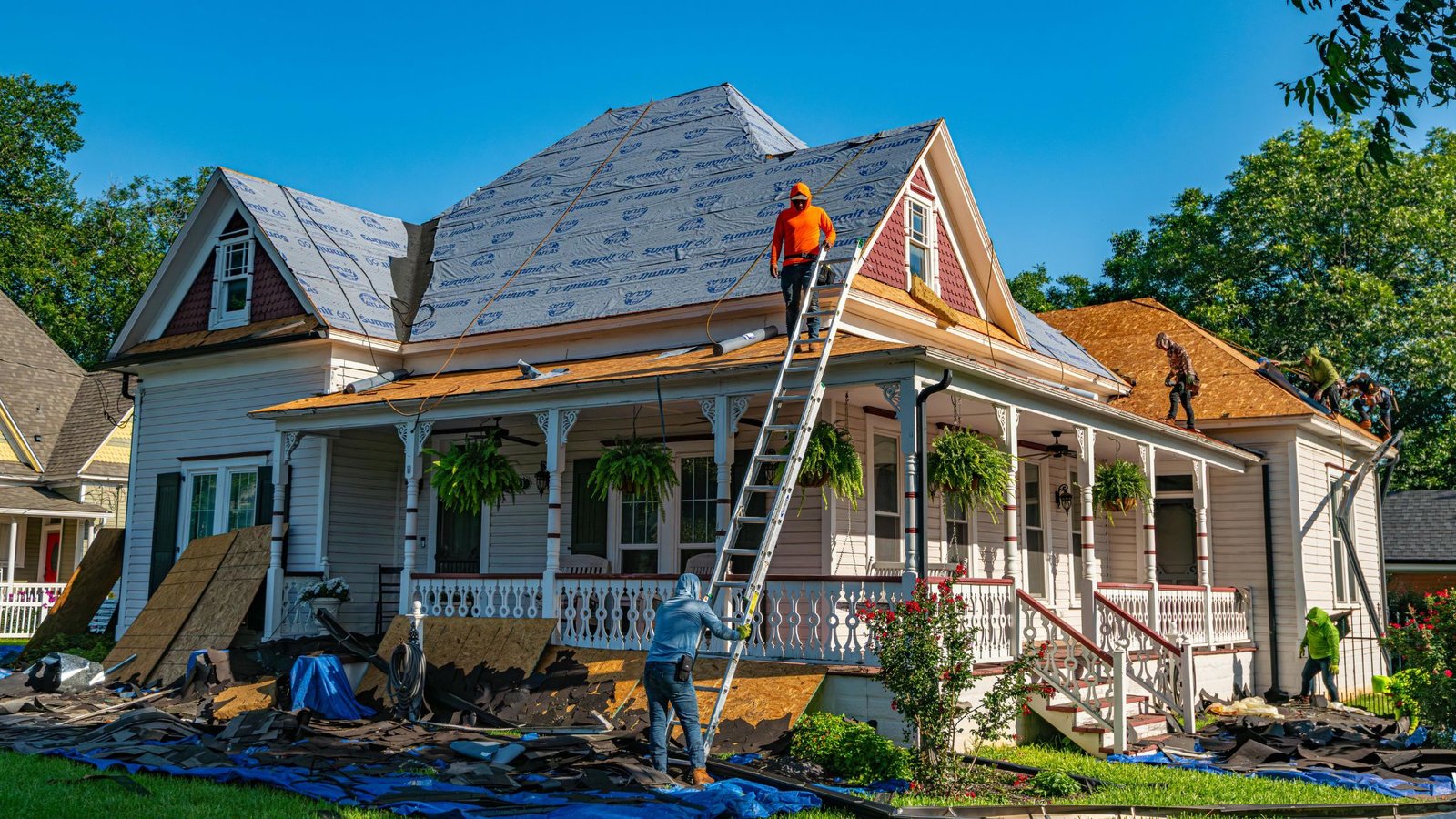
4. Roof Replacement and Repair: The $8,000-$25,000 Exposure
The Cost Reality
Your roof is your home’s primary defense against the weather, and when it fails, the consequences cascade throughout your entire house. Roofing costs vary dramatically by material and home size:
- Asphalt Shingle Roof (2,000 sq ft): $8,000-$15,000
- Metal Roofing: $15,000-$30,000
- Tile Roofing: $20,000-$40,000
- Slate Roofing: $25,000-$50,000+
- Major Leak Repairs: $500-$3,000 per repair
- Structural Damage Repair: $2,000-$10,000+
Why Roofs Fail
Age and Weather Exposure: Asphalt shingles, the most common roofing material, last 15-30 years depending on quality. Constant UV exposure, temperature cycling, wind, rain, and hail gradually degrade shingles, causing them to crack, curl, and lose protective granules.
Storm Damage: Hail creates immediate damage, puncturing shingles and compromising waterproofing. High winds can lift and tear shingles, especially at edges and ridges. Each storm event accelerates deterioration.
Poor Installation or Ventilation: Improperly installed roofs fail prematurely. Inadequate attic ventilation causes heat and moisture buildup, cooking shingles from underneath, and rotting roof decking.
Flashing Failures: Metal flashing around chimneys, skylights, and valleys is critical for waterproofing. When flashing corrodes or separates, water infiltrates, causing damage to underlying structures and interior ceilings.
Ice Dams: In cold climates, ice dams form when heat escapes through the roof, melting snow that then refreezes at the eaves. This ice buildup forces water under shingles, causing leaks and structural damage.
How a Home Service Plan Protects You
Standard home warranties typically don’t cover roofs, as roof damage is considered a homeowner’s insurance matter. However, this is precisely why many homeowners now opt for specialized roof protection plans or comprehensive home warranties that include roof coverage.
Specialized roof warranties and enhanced home service plans may cover:
- Leak repairs and associated water damage
- Shingle replacement for storm damage
- Flashing repairs
- Emergency tarping and temporary repairs
- Annual roof inspections
Some plans offer partial roof replacement coverage, paying a per-square-foot allowance toward replacement when failure occurs due to normal wear and tear rather than storm damage.
While not all standard home service plans include comprehensive roof coverage, this represents an area where homeowners should carefully evaluate their total protection needs. The catastrophic expense of roof failure—combined with the cascading water damage it causes—makes roof-specific protection plans valuable additions to your home protection strategy.
5. Foundation and Structural Issues: The $4,000-$30,000+ Catastrophe
The Cost Reality
Foundation problems are among the most expensive and serious issues a homeowner can face:
- Minor Foundation Crack Repairs: $500-$3,000
- Major Foundation Repair (piering): $8,000-$15,000
- Extensive Foundation Replacement: $20,000-$100,000+
- Basement Waterproofing: $3,000-$10,000
- Structural Beam Replacement: $4,000-$10,000
- Floor Joist Repairs: $2,000-$8,000
Why Foundation and Structural Problems Occur
Soil Movement: Expansive clay soils swell when wet and shrink when dry, creating movement that cracks foundations. Poor drainage exacerbates this cycle, causing progressive damage over the years.
Water Infiltration: Groundwater pressure against foundation walls causes cracks and bowing. Once water penetrates, it accelerates deterioration through freeze-thaw cycles and erosion.
Settlement: All homes settle, but differential settlement—where one area sinks more than others—creates structural stress, cracking foundations and walls, causing doors and windows to stick, and creating floor slopes.
Poor Initial Construction: Inadequate footings, improper drainage, or substandard materials create weakness that manifests years or decades later.
Tree Root Damage: Large trees near foundations can dry soil excessively or physically damage foundations with root pressure.
Coverage Considerations for Foundation Issues
Foundation and major structural issues typically fall outside standard home warranty coverage, as these are considered pre-existing conditions or design/construction defects rather than normal wear and tear of systems and appliances.
However, homeowners should understand:
- Homeowners insurance may cover foundation damage caused by specific sudden events (like pipe bursts or certain natural disasters), though it typically excludes normal settling
- New home warranties from builders usually cover structural elements for 10 years
- Specialized foundation warranties exist for homes that have undergone foundation repairs
- Structural engineering inspections before purchasing a home can identify existing issues before you assume responsibility
While foundation coverage isn’t typically included in standard home service plans, understanding this gap helps homeowners budget appropriately and make informed decisions about comprehensive protection strategies.
6. Appliance Failures: The $500-$3,000 Convenience Crisis
The Cost Reality
Major appliances are essential to modern life, and replacing them represents a significant expense:
- Refrigerator: $800-$3,000+
- Washing Machine: $600-$1,800
- Dryer: $500-$1,500
- Dishwasher: $400-$1,500
- Range/Oven: $700-$3,000+
- Microwave: $200-$800
While individually less expensive than HVAC or plumbing system replacements, multiple appliance failures in short succession can devastate budgets. Many appliances fail within similar timeframes since they were often installed when the home was built or last renovated.
Why Appliances Fail
Design Obsolescence: Modern appliances contain more electronic components and complex features than their predecessors, but often have shorter lifespans. Today’s “smart” appliances may last 8-12 years compared to 20+ years for older mechanical models.
Hard Water and Mineral Buildup: Dishwashers, washing machines, and water-using appliances suffer from mineral deposits that clog valves, spray arms, and heating elements, causing premature failure.
Electrical Component Failures: Circuit boards, sensors, and electronic controls are vulnerable to power surges, humidity, and manufacturing defects. A single failed circuit board can total an appliance when replacement parts cost 50-70% of a new unit.
Mechanical Wear: Motors, bearings, pumps, and compressors wear out from constant use. Refrigerator compressors, dishwasher pumps, and washing machine motors eventually fail after thousands of cycles.
Maintenance Neglect: Lint buildup in dryers, dirty refrigerator coils, clogged dishwasher filters, and overloaded washers accelerate wear and cause preventable failures.
How a Home Service Plan Protects You
Appliance coverage is a cornerstone of home service plans, typically including:
- Refrigerator and ice maker
- Washing machine
- Dryer
- Dishwasher
- Built-in microwave
- Range, oven, and cooktop
- Garbage disposal
- Trash compactor
When your refrigerator stops cooling or your washing machine begins leaking, one service call gets a qualified technician to your home. They diagnose the issue, perform covered repairs, or coordinate replacement if repair isn’t economical. Instead of shopping for new appliances in a panic and paying retail prices, your warranty company handles everything for just your service call fee.
Premium plans may also cover:
- Freestanding ice makers
- Wine refrigerators
- Second refrigerators
- Standalone freezers
- Multiple HVAC systems
7. Pool and Spa Systems: The $2,000-$8,000 Luxury Liability
The Cost Reality
For the roughly 10.7 million residential swimming pools in the United States, pool and spa systems represent a substantial ongoing expense when repairs are needed:
- Pool Pump Replacement: $700-$1,500
- Pool Filter Replacement: $500-$2,000
- Pool Heater Replacement: $1,500-$4,000
- Salt System/Chlorinator: $800-$2,500
- Automation System Repairs: $500-$2,000
- Spa/Hot Tub Repairs: $500-$3,000
Why Pool and Spa Systems Fail
Constant Operation and Chemical Exposure: Pool equipment runs daily during swimming season, operating in harsh environments with chlorine, salt, and minerals that corrode components. Motors, seals, and heating elements deteriorate from this combination of continuous operation and chemical exposure.
Freeze Damage: In regions with cold winters, inadequate winterization can cause pumps, filters, and heaters to crack when water freezes and expands.
Electrical Issues: Pool equipment is particularly vulnerable to electrical problems due to outdoor exposure to moisture. GFCI breakers, timers, and control boards fail regularly.
Circulation System Clogs: Filters, skimmers, and plumbing can clog with debris, causing pumps to run dry and overheat, damaging motors and seals.
Age and UV Exposure: Pool equipment exposed to sunlight degrades faster. Plastic components become brittle, gaskets dry out, and electrical connections corrode.
How a Home Service Plan Protects You
Pool and spa coverage isn’t included in basic home service plans, but is available as an add-on in many comprehensive packages. This coverage typically includes:
- Pool pump repair and replacement
- Filter system maintenance and repair
- Heater repairs
- Timer and control systems
- Sweeps and cleaners (in some plans)
- Spa motors and pumps
- Spa heaters and controls
For pool owners, adding this coverage provides valuable protection against expensive equipment failures. A single heater replacement or pump failure can cost more than several years of the pool coverage premium.
The Financial Case for Home Service Plans: Running the Numbers
Let’s examine the mathematics behind the home service plan value:
Average annual home service plan cost: $500-$800 for comprehensive coverage. Average service call fee: $100 per visit. Average annual claim frequency: 2-3 service calls
Cost with home service plan:
- Annual premium: $650
- Service calls (3 x $100): $300
- Total annual cost: $950
Cost without home service plan (conservative estimate):
- Water heater replacement: $1,800
- HVAC repair: $850
- Appliance repair: $450
- Total: $3,100
This represents $2,150 in savings in a single year with moderate repair needs. In years when major systems require replacement rather than repair, savings can reach $5,000-$10,000 or more.
Even in years with no claims, the peace of mind knowing you’re protected against catastrophic repair costs has real value. Most homeowners overestimate their ability to absorb major unexpected expenses, particularly when multiple issues co-occur.
Choosing the Right Home Service Plan: Key Considerations
Not all home service plans offer equal value or coverage. When evaluating options, consider:
Coverage Comprehensiveness: Verify exactly what systems and appliances are covered. Basic plans may exclude critical items like pool equipment, second HVAC systems, or specialized appliances.
Coverage Limits: Some plans cap payouts per item or per year. Ensure limits are adequate for actual replacement costs in your area.
Service Call Fees: Lower premiums sometimes mean higher per-visit fees. Calculate total expected annual cost, including likely service calls.
Provider Network: Verify the warranty company works with qualified, licensed contractors in your area. Some companies struggle to dispatch providers promptly, particularly in rural areas.
Response Time Guarantees: Quality providers commit to specific response timeframes for emergencies. HVAC failures in extreme weather are true emergencies requiring same-day or next-day response.
Coverage for Pre-Existing Conditions: Most plans exclude pre-existing issues or require waiting periods. Be honest about known issues to avoid claim denials.
Renewal Terms: Understand whether coverage can be non-renewed and how premiums may increase over time.
Company Reputation: Research BBB ratings, consumer reviews, and complaint histories. A cheap plan from an unreliable provider that denies legitimate claims provides no value.
Conclusion: Protection vs. Risk—Making the Smart Choice
Homeownership involves constant balancing of costs, but few decisions offer as clear a value proposition as comprehensive home service plan coverage. The question isn’t whether systems will fail—they absolutely will. The only questions are when, how many, and whether you’ll be financially prepared when they do.
For most homeowners, the modest annual investment in comprehensive coverage provides multiple benefits beyond direct financial savings:
Budget Predictability: Knowing your maximum exposure for any repair is your service call fee enables better financial planning and removes uncertainty.
Access to Qualified Contractors: Warranty companies maintain networks of vetted, licensed professionals, eliminating the stressful process of finding reliable contractors during emergencies.
No Negotiation Necessary: Repair costs are predetermined by warranty company contracts with providers, eliminating the anxiety of potentially being overcharged during vulnerable situations.
Reduced Repair Delays: Having coverage means you can address issues immediately rather than delaying repairs while saving money, preventing small problems from becoming major failures.
Increased Home Value: Homes with transferable warranties are more attractive to buyers and often command premium prices.
The seven major repair categories we’ve explored—HVAC systems, plumbing, electrical, roofing, foundation, appliances, and pool equipment—represent the most common and expensive failures homeowners face. A comprehensive home service plan provides a financial shield against these inevitable expenses, transforming potentially devastating costs into manageable service fees.
As you evaluate your home protection strategy, consider your property’s age, system condition, risk tolerance, and your ability to absorb major unexpected expenses. For most homeowners, especially those with aging homes or multiple major systems reaching typical replacement age, comprehensive home service plan coverage isn’t just advisable—it’s essential financial protection.
Don’t wait for the midnight water heater failure or the summer AC breakdown to wish you had coverage. Invest in comprehensive protection today, and transform home system failures from financial catastrophes into minor inconveniences covered by one simple phone call and a modest service fee.