10 Car Insurance Tips for Winter Driving and Weather Claims
Every winter, millions of drivers learn the same expensive lesson. A policy that felt perfectly adequate in July can feel dangerously thin in January. A sheet of black ice, a tree limb weighed down by snow, a hailstorm that arrives without warning, or a parking-lot slide into a stranger’s bumper can turn a routine commute into a claims process that lasts weeks. The drivers who come out of these events in the best shape are rarely the luckiest ones. They are the ones who understood their coverage before the weather turned.
Winter is statistically harder on drivers and on insurers. Reduced traction, shorter daylight hours, slush, fog, freezing rain, and busy roads all push up the number of collisions, and severe storms generate waves of comprehensive claims for fallen trees, flooding, and hail. Insurers know this, which is why claims departments often get overwhelmed after a major storm event and why the details of your policy matter so much when you finally need it.
This guide walks through 10 car insurance tips for winter driving and weather claims. It covers what to check on your policy before the first freeze, how to avoid the most common coverage gaps, how to document your vehicle, what to do in the first hour after a winter accident, and how to file and manage a weather-related claim so you get paid fairly and promptly. Whether you live in a region that sees months of snow or one that only gets the occasional ice storm, these tips apply.
A quick note before we begin: car insurance rules, required coverages, and claims procedures vary by state and by insurer. This article is educational and general in nature. It is not legal or financial advice, and you should always read your own policy documents and speak with your insurer or a licensed agent about your specific situation.
Tip 1: Review Your Entire Policy Before Winter Arrives
The single most useful thing you can do for your car insurance in winter happens before winter. Autumn is the ideal time to sit down with your declarations page, the summary document at the front of your policy that lists your coverages, limits, deductibles, and premiums, and confirm that it still matches your life.
Many drivers renew their policy on autopilot year after year. That is how people end up with outdated vehicle information, coverage limits that no longer reflect their assets, or a deductible they set years ago and forgot about. A thirty-minute review in October or November can prevent a very unpleasant surprise in February.
The coverages that matter most in winter
Start by identifying which of these coverages you actually have:
- Liability coverage (bodily injury and property damage). This pays for injuries and damage you cause to other people. In winter, when slick roads make rear-end collisions and chain-reaction accidents more common, adequate liability limits are crucial. State minimums are often low enough that a single multi-vehicle crash could exceed them, leaving you personally responsible for the rest.
- Collision coverage. This pays to repair or replace your own vehicle after a collision with another car or an object, regardless of who was at fault (subject to your deductible). Sliding into a guardrail, a utility pole, a snowbank with a hidden obstruction, or another vehicle generally falls here.
- Comprehensive coverage. This pays for non-collision damage such as hail, falling trees, flooding, fire, theft, vandalism, and animal strikes. Many weather-related losses are comprehensive claims.
- Uninsured and underinsured motorist coverage (UM/UIM). This protects you if a driver without adequate insurance injures you or damages your car. Winter crashes involving several vehicles often turn up at least one driver with too little coverage.
- Medical payments or personal injury protection (MedPay/PIP). These cover medical expenses for you and your passengers after an accident, depending on your state and policy.
Questions to ask while you review
Take your declarations page and work through a short checklist:
- Are my liability limits high enough? A common guideline is to carry limits that protect your net worth, not just satisfy the state minimum. If you own a home, have savings, or earn a solid income, ask your agent whether higher limits or an umbrella policy makes sense.
- Is my vehicle information accurate? Check the VIN, the garaging address, the annual mileage estimate, and the listed drivers. Errors here can complicate a claim.
- Do I still use the car the way my policy assumes? If you now work from home, your mileage may have dropped, which can lower your premium. If you started driving for a rideshare or delivery platform, your personal policy may not cover you while you are working, and that is a major gap.
- Are all household drivers listed? An unlisted teenage driver or relative who regularly uses your car can create serious claim problems.
- What are my deductibles for each coverage? We will return to this in Tip 3.
- What optional coverages do I have? Rental reimbursement, roadside assistance, gap coverage, and new car replacement may or may not be on your policy.
Read the exclusions, too
Every policy has exclusions, which are situations the insurer will not pay for. Weather-related exclusions are less common than people assume, but wear and tear, mechanical breakdown, and damage from lack of maintenance are almost always excluded. If your battery dies because it is old, that is a maintenance issue, not an insured loss. If your car is damaged because you drove into a flooded road that was clearly marked closed, an insurer may scrutinize the claim more closely.
Reading your policy does not have to be a chore. Highlight anything you do not understand and call your insurer or agent with specific questions. Insurers expect these calls in autumn, and a clear answer now is worth far more than a confusing answer after a loss.
Shop around while you are at it
The pre-winter review is also a smart moment to compare quotes from several insurers. Rates, discounts, and claims-handling reputations vary widely. A lower price is not worth much if the company is slow to pay claims, so look at customer satisfaction ratings and complaint data alongside the premium. Your state’s department of insurance often publishes complaint information that can help you compare.
Tip 2: Make Sure You Carry Comprehensive and Collision Coverage
If there is one tip in this guide that decides whether you can recover from a weather loss, it is this one. Liability-only coverage satisfies the law in most states, but it does nothing to repair or replace your own car. Without both comprehensive and collision coverage, a winter storm can leave you paying out of pocket for damage you did not cause and could not prevent.
What winter weather damage falls under comprehensive
Comprehensive coverage, sometimes called “other than collision,” is the workhorse coverage for weather. Typical weather-related claims it can cover include:
- Hail damage. Dents across the hood, roof, and trunk, and cracked windshields. Hail claims can total a vehicle surprisingly often, because the cost of repairing dozens of dents can exceed the car’s value.
- Falling objects. Tree limbs, whole trees, power lines, ice from rooftops, and in some cases, collapsing carports or garage structures.
- Flood damage. Water that enters the cabin, engine, or electrical system during flash floods, rapid snowmelt, or storm surge. Flooded vehicles are often declared total losses because of electrical and corrosion damage.
- Windshield and glass damage. Cracks caused by debris, hail, or flying ice, depending on your policy.
- Wind damage. Debris blown into your vehicle during severe storms.
What winter weather damage falls under collision
Collision coverage applies when your car hits something, or something hits your car in an impact event. Typical winter examples include:
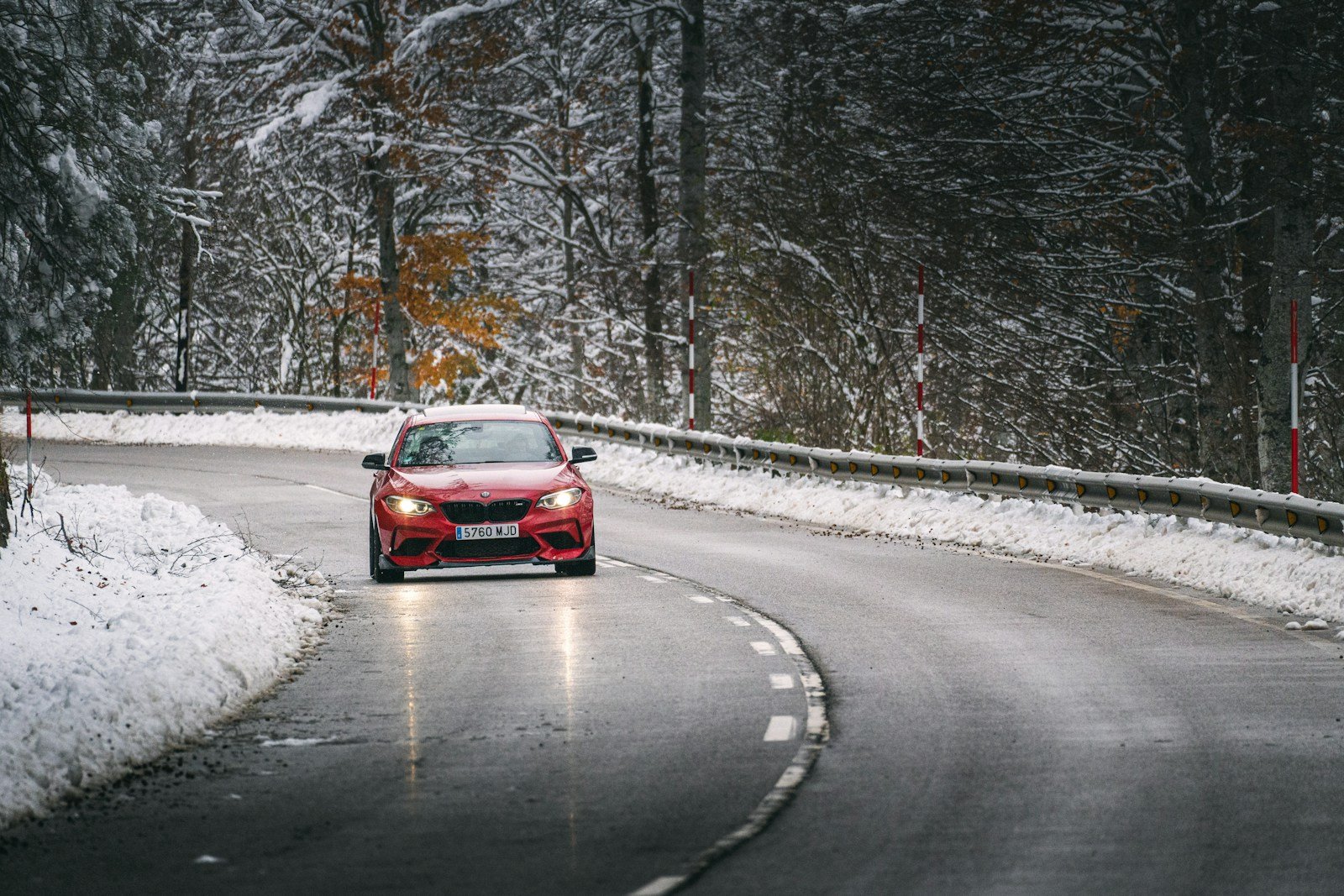
- Sliding on ice and striking another vehicle, a guardrail, a pole, or a wall
- Rolling or spinning off the roadway into a ditch or embankment
- Being rear-ended while stopped at a slippery intersection
- Hitting a pothole or obstacle hidden under snow (this can also depend on your policy language and your insurer’s interpretation)
This is where many drivers are surprised: if you slide into something, it is a collision claim, even though the weather caused the skid. The ice is the cause, but the collision is the event, and the collision coverage and its deductible apply.
The cost-benefit math on dropping coverage
Some drivers with older vehicles consider dropping comprehensive and collision to save money. This can be a reasonable decision for an older car with a low market value, but run the numbers before you do. A common rule of thumb is to reconsider these coverages when the annual cost of carrying them is a large fraction of the vehicle’s value, or when you could comfortably replace the car with cash on hand.
If your car is financed or leased, this decision is not yours to make. Lenders and lessors almost always require both coverages for the life of the loan or lease, and they may buy expensive insurance on your behalf and add it to your payments if yours lapses.
Special situations: gap coverage and new car protection
Two optional coverages are worth a mention because winter weather can total a car:
- Gap coverage pays the difference between what you owe on your loan or lease and what the car is worth if it is totaled. New cars depreciate quickly, so if you owe more than the car is worth and a hailstorm or flood totals it, gap coverage can keep you from owing thousands on a vehicle you can no longer drive.
- New car replacement or better car replacement coverage, offered by some insurers, can pay to replace a newer vehicle with a new one of the same make and model rather than paying only its depreciated value.
Do not assume your policy has these
Never assume you have comprehensive and collision because you “have full coverage.” That phrase is not a technical insurance term. It generally means liability plus comprehensive plus collision, but it can mean different things to different people. Look at your declarations page and confirm that each coverage is listed with a premium and a deductible.
Tip 3: Choose a Deductible You Can Actually Afford
Your deductible is the amount you pay out of pocket on a collision or comprehensive claim before your insurer pays the rest. It is one of the few levers you control that directly affects both your premium and your financial exposure after a loss.
The basic trade-off
A higher deductible lowers your premium because you are agreeing to absorb more of any loss. A lower deductible raises your premium but reduces what you pay when something happens. Neither is automatically right. The best deductible is the one that balances the premium savings against an amount you could pay tomorrow without financial strain.
Here is an illustrative example. Suppose raising a deductible from $500 to $1,000 saves you $150 per year. That sounds appealing until a storm causes $4,000 in damage. You would pay the extra $500 that year, and it would take more than three years of premium savings to break even. If you rarely file claims and keep an emergency fund, the higher deductible may still come out ahead over time. If you do not have savings to cover it, the lower deductible is safer.
Questions to ask yourself
- Could I pay this deductible tomorrow without borrowing? If not, it may be too high.
- How likely is a weather claim where I live? Drivers in hail-prone regions, heavy-snow areas, or flood zones face higher odds of at least one weather claim.
- Do I park outdoors, on the street, or under trees? Greater exposure argues for a deductible you can comfortably handle.
- How old is my car? For an older car, a very high deductible plus a modest repair cost may mean you never file anyway.
Watch for percentage-based deductibles
In some states, insurers apply a separate, percentage-based deductible for certain weather perils, such as wind or hail, on homeowners policies. Auto policies more commonly use flat dollar deductibles, but it is worth confirming whether your policy has any special weather-related deductible. A surprise deductible can turn a manageable claim into a painful one.
Separate deductibles for comprehensive and collision
Most insurers let you set different deductibles for comprehensive and collision coverage. Some drivers choose a lower comprehensive deductible because comprehensive claims, like hail or a falling branch, are outside their control and unlikely to raise rates as much as an at-fault collision. Others use the same figure for both. Ask your agent to quote several combinations so you can see the price differences.
Glass coverage and zero-deductible windshield options
Winter is hard on windshields. Temperature swings can turn tiny chips into long cracks, and road salt, gravel, and flying ice increase the risk of impact damage. Some insurers offer a separate glass coverage option, sometimes with a zero or reduced deductible. A small number of states have rules that require or encourage low or no deductibles for glass repair under comprehensive coverage, but the details differ, so ask your insurer what applies where you live.
Repairing a small chip promptly, before it spreads, is usually cheaper than replacing the whole windshield, and many insurers will waive the deductible for a repair even when a replacement would carry one. Ask before you decide.
Revisit deductibles every year
Your financial situation changes, and so should your deductible if it needs to. If you have built up savings, raising the deductible could lower your premium. If your finances are tighter this winter, consider whether a lower deductible gives you more peace of mind. A five-minute call to your insurer can adjust it, usually effective immediately or at the next billing cycle.
Tip 4: Add Roadside Assistance and Rental Reimbursement
Insurance is not only about big, dramatic claims. In winter, the smaller disruptions, like a dead battery at 6 a.m. at minus ten degrees, a car stuck in a snow-packed driveway, or a week without a vehicle while yours is in the shop, can disrupt your life just as much. Two inexpensive add-ons can help: roadside assistance and rental reimbursement.
Roadside assistance
Roadside assistance is typically an inexpensive endorsement, often a few dollars a month, that covers services like:
- Towing to a repair facility (with a mileage limit that varies by policy)
- Jump-starting a dead battery
- Flat tire changes
- Lockout service
- Fuel delivery
- Winching or extraction when your car is stuck in snow, mud, or a ditch
Winter makes each of these more likely. Cold weather reduces battery capacity and can expose a weak battery that worked fine all summer. Snowbanks and icy shoulders make it easy to get stuck. And waiting hours for help in extreme cold can be dangerous, not just inconvenient.
Important caveats:
- Policy-based roadside assistance has limits. Towing may be capped at a certain distance or dollar amount, and some policies cover only a set number of service calls per year.
- “Stuck in snow” coverage varies. Some policies cover winching from a ditch or roadway, but not digging out a car from a driveway or parking space. Read the fine print.
- If you already have roadside assistance through an auto club, a credit card, or your vehicle manufacturer, compare what you have before paying for duplicate coverage. Some newer cars include complimentary roadside service for several years.
Rental reimbursement
Rental reimbursement coverage pays for a rental car, up to a daily limit and a maximum number of days, while your vehicle is being repaired after a covered claim. Typical limits might be a set dollar amount per day with a cap on total days, though the numbers vary by insurer and policy.
Without this coverage, you may have to pay for a rental yourself, or go without a car while your vehicle is in the shop. After a major winter storm, repair shops can have long backlogs, so a repair that normally takes a week may stretch to several weeks. Hail and tree-fall claims in particular can overwhelm local body shops. Daily rental costs add up quickly, which is why this inexpensive coverage is often worth carrying.
Check how the daily limit compares to real rental prices
If your policy has a rental limit of $30 per day but a comparable rental costs $50 per day, you will cover the difference. Ask your insurer whether higher daily limits are available, and keep in mind that rental prices can spike after widespread storms when many drivers need cars simultaneously.
Understand when rental coverage starts and stops
Rental reimbursement typically applies only to covered claims, and it usually applies while your car is being repaired or until a total loss settlement is offered. If your car is totaled, coverage may end a few days after the insurer makes its settlement offer. Ask how it works so you are not caught off guard.
Consider towing and labor versus roadside assistance
Some policies offer “towing and labor” coverage, which is different from broader roadside assistance. Towing and labor generally pays for towing and on-site labor after a disablement, up to a set dollar limit per incident. Roadside assistance packages tend to be more comprehensive and may include fuel, lockout, and jump-start services. Know which one you have.
Tip 5: Ask About Winter Tire, Safety Feature, and Usage-Based Discounts
Winter driving does not just create risk. Your preparation can also earn you savings if you ask for them. Discounts are not always applied automatically, and many drivers miss out simply because they never mention what they have done to make their vehicles safer.
Winter tire discounts
In some states and with some insurers, installing dedicated winter tires can reduce your premium. Winter tires use softer rubber compounds and tread patterns that maintain grip in cold temperatures, and testing consistently shows they shorten stopping distances on snow and ice compared with all-season tires. In parts of Canada, winter tire discounts are common and, in some provinces, regulated. In the United States, availability is more limited, but a few insurers consider winter tires when pricing, and the safety benefit is meaningful whether or not you get a discount.
Ask your insurer directly whether they offer a winter tire discount, and if so, what documentation they require, such as a receipt or an inspection record.
Vehicle safety feature discounts
Modern vehicles often include features that insurers recognize with lower rates, such as:
- Anti-lock brakes (ABS)
- Electronic stability control
- Airbags and advanced restraint systems
- Anti-theft devices and immobilizers
- Forward collision warning and automatic emergency braking
- Lane departure warning and blind spot monitoring
Not every insurer discounts every feature, and discounts vary by state, but it never hurts to ask. If you recently bought a newer vehicle, confirm that your policy reflects its safety technology.
Usage-based and telematics programs
Telematics or usage-based insurance programs use a smartphone app or plug-in device to track driving behaviors such as speed, hard braking, acceleration, phone use, and time of day. Drivers who show safe habits can earn discounts, sometimes substantial ones, depending on the insurer.
These programs can be a double-edged sword in winter. On one hand, safe winter driving, like gentle braking, reduced speed, and increased following distance, can show up favorably in your data. On the other hand, winter conditions can cause involuntary hard-braking events or late-night driving that could count against you. Before enrolling, ask how the program treats weather, whether participation can raise your rate (some programs only offer discounts, while others can surcharge), and how your data will be used and stored.
Low-mileage discounts
If you drive less in winter, perhaps because you work remotely or avoid unnecessary trips in bad weather, a low-mileage discount might apply. Some insurers also offer pay-per-mile policies. Report accurate mileage, because misstating your mileage can cause claim problems later.
Other discounts worth asking about
- Multi-policy (bundling) discounts for combining auto with homeowners or renters insurance
- Multi-car discounts for insuring more than one vehicle with the same insurer
- Defensive driving course discounts, where completing an approved course can reduce your rate
- Good driver and claims-free discounts
- Pay-in-full or autopay discounts
- Affiliation discounts through employers, alumni groups, professional organizations, or military service
A word of caution about chasing discounts
A discount is not a reason to reduce coverage or choose a worse insurer. Treat discounts as a way to lower the price of the right coverage, not as a substitute for it. And never misrepresent information to qualify. Insurers can and do verify details, and a misstatement can lead to a denied claim or a canceled policy.
Tip 6: Prepare and Document Your Vehicle Before Storms Hit
When you file a claim, you carry the burden of showing what happened and what your vehicle was like before it happened. The more evidence you have, the smoother the process tends to be. Preparing in advance is also the best way to avoid some losses altogether.
Create a “before” record of your car
Take clear photos and a short video of your vehicle before winter, or before a forecasted major storm. Capture:
- All four sides, the roof, the hood, and the trunk
- The interior, including the dashboard and odometer reading
- The tires, showing tread depth
- Any existing dents, scratches, or chips, so they are not confused with new damage
- Aftermarket additions, like roof racks, upgraded stereos, or custom wheels
Store these files in cloud storage or email them to yourself so they survive even if your phone is lost or damaged. Photos with timestamps are particularly useful. If hail later dents your roof or a tree crushes your trunk, the before-and-after comparison supports your claim and helps prevent disputes about pre-existing damage.
Keep important documents accessible
Keep these items easy to reach, ideally both in the car and digitally:
- Your insurance card or a digital copy through your insurer’s app
- Your insurer’s claims phone number and roadside assistance number
- Your policy number and declarations page
- Your vehicle registration
- A list of your VIN, license plate number, and any lienholder information
- Maintenance records, especially recent receipts for new tires, batteries, or major repairs, which can support the value of your vehicle in a total loss claim
Perform winter maintenance that reduces claim risk
Insurers generally expect you to take reasonable care of your vehicle. Beyond that expectation, good maintenance simply reduces your chances of a crash or breakdown:
- Tires. Check tread depth and pressure regularly. Cold air lowers tire pressure, so check it more often. Consider winter tires if you live in an area with consistent snow and ice.
- Battery. Have it tested before cold weather. Weak batteries often fail on the first very cold morning.
- Wipers and washer fluid. Replace worn blades and use winter-rated washer fluid that will not freeze.
- Brakes. Have them inspected for wear.
- Lights. Make sure all headlights, taillights, brake lights, and turn signals work, since visibility is reduced in winter.
- Antifreeze and fluids. Confirm the coolant mix is appropriate for the temperatures where you live and that other fluids are topped up.
- Defrosters and heater. A defroster that fails in a snowstorm is a safety hazard.
Build a winter emergency kit
A kit will not directly lower your premium, but it can keep a bad situation from becoming a dangerous one. A solid winter kit usually includes:
- A warm blanket, extra gloves, hats, and boots
- A flashlight with spare batteries
- A phone charger or power bank
- Jumper cables or a portable jump starter
- A small shovel, ice scraper, and snow brush
- Sand, cat litter, or traction mats for stuck wheels
- Non-perishable snacks and water
- Reflective triangles or flares
- A basic first aid kit
Clear your vehicle properly
Driving with snow or ice piled on the roof, hood, or lights is both unsafe and, in some places, illegal. Chunks of ice that fly off your roof can strike other cars and cause accidents, for which you could be held liable. Clear your windows, mirrors, lights, roof, and hood before driving.
Heed official warnings
Local authorities issue travel advisories and road closure warnings for good reasons. If you ignore a closure or drive into a flooded roadway and then file a claim, an insurer may look closely at the circumstances. More importantly, ignoring warnings puts you and others at risk. When conditions are severe, the safest and most financially prudent choice is often to stay home.
Tip 7: Park and Store Your Car With Claims in Mind
Where you park your car in winter can decide whether you file a claim at all. Many weather claims are preventable with a little forethought, and choosing a good parking spot costs nothing.
Use a garage when you can
A garage is the best protection from hail, falling branches, ice, and snow loads. If you have a garage, use it for your vehicle rather than storage, at least during winter. If you do not, a carport or covered parking area can reduce but not eliminate your risk.
Avoid parking under trees and power lines during storms
Trees weighed down by ice or snow can drop heavy branches without warning, and storms can topple whole trees. When a major storm is forecast, move your vehicle away from trees, overhead lines, and weak structures. Remember that a tree falling on a car is typically a comprehensive claim, but avoiding the damage is better than filing the claim.
Stay out of flood-prone areas
Rapid snowmelt, heavy rain on frozen ground, and ice-jam flooding can all cause sudden flooding. Avoid parking in low-lying areas, near rivers, or in underground garages that are prone to flooding when storms or thaws are expected. Even a few inches of floodwater can damage a vehicle’s electrical systems, and saltwater or contaminated floodwater makes the damage worse.
Do not drive through standing water
Floodwater is deceptive. Depth is hard to judge, currents can move vehicles, and the road surface underneath may be washed out. Water entering the engine’s air intake can cause severe engine damage, often called hydrolock, and engine damage from driving into water can complicate a claim. The safest move is always to turn around.
Think about snow plows and street parking
If you park on the street, plows may push snow against your car, and in some cases plows can strike parked vehicles. Many cities impose snow emergency parking rules, requiring you to move your car so plows can clear streets, and violating those rules can lead to towing and fines that insurance will not cover. Learn your city’s snow routes and alternate-side rules, and follow them.
If a municipal plow damages your car, the claims process may involve the city or the contractor rather than your auto insurer alone. Document everything with photos, report the incident promptly, and ask both the local government and your insurer how to proceed. Municipal claims often have short notice deadlines.
Prepare for extended storage
If you will not drive a vehicle for much of the winter, such as a classic car, a convertible, or a second vehicle, consider whether a storage or “laid-up” policy option makes sense. Some insurers allow you to reduce certain coverages while keeping comprehensive coverage active for storage-related risks. Never cancel coverage entirely on a vehicle you plan to keep, because a lapse in coverage can cause higher rates later and leave you exposed to theft, fire, and weather damage. Ask your agent what options exist and whether the vehicle must be stored in a specific way to remain covered.
Beware of remote starters in enclosed spaces
Warming up a car is common in cold climates, but running an engine in an attached or enclosed garage is dangerous. Carbon monoxide can accumulate quickly even with the garage door partially open. Always pull the car out before letting it idle, and make sure your home has working carbon monoxide detectors.
Know what your homeowners or renters policy covers
If a storm collapses your garage onto your car, or a branch from your tree strikes your vehicle, which policy responds? Generally, damage to your car is handled by your auto policy’s comprehensive coverage, while damage to the structure is covered by your homeowners policy. The details can get complicated, particularly when a neighbor’s tree falls on your car. If you are unsure, report the loss to both insurers and let them sort out the proper coverage, rather than assuming one or the other will not apply.
Tip 8: Know Exactly What to Do After a Winter Accident
Winter accidents are stressful. Cold, darkness, and slippery conditions make everything harder, and the minutes after a crash are when people make mistakes they later regret. Knowing the sequence of steps in advance helps you stay calm and protect both your safety and your claim.
Step 1: Prioritize safety
- Check yourself and your passengers for injuries. Call 911 immediately if anyone is hurt or if there is any chance of serious injury.
- Move to safety if you can. If the vehicles are drivable and the accident is minor, move them out of traffic lanes to a shoulder or parking lot. On icy roads, be careful, because a second collision is a real danger.
- If you cannot move your car, turn on your hazard lights, set out reflective triangles if it is safe, and stay in a safe location. In heavy traffic or poor visibility, staying inside your vehicle with your seat belt fastened may be safer than standing on the roadside, but this depends on the situation. If the vehicle is in a dangerous position, get to a safe place away from traffic.
- Keep warm. In extreme cold, conserve heat and be mindful of exhaust pipes blocked by snow, which can cause carbon monoxide to leak into the cabin if you run the engine.
Step 2: Call the police
In many places, you are required to report accidents above a certain injury or damage threshold. Even when it is not required, a police report is valuable documentation for your claim. During severe weather, police departments are sometimes overwhelmed and may not respond to minor accidents. If officers cannot come, ask whether you can file a report online or at a station later, and ask dispatch for an incident number.
Step 3: Exchange information
Gather the following from every driver involved:
- Full name, address, and phone number
- Driver’s license number
- License plate number
- Vehicle make, model, color, and VIN if possible
- Insurance company name and policy number
- Names and contact information of any passengers and witnesses
Step 4: Document the scene thoroughly
Use your phone to capture:
- Damage to all vehicles from multiple angles
- The positions of the vehicles before they are moved, if safe
- Road conditions, including ice, snow depth, and standing water
- Skid marks, road signs, traffic signals, and lighting
- Weather conditions and visibility
- Any visible injuries
Take wide shots and close-ups. Note the date, time, and location. In winter, conditions can change quickly, so evidence of ice patches or poorly plowed roads may disappear within hours. Witness statements can also help, especially if fault is disputed.
Step 5: Be careful with what you say
Stay polite and cooperative, but do not admit fault or speculate about what caused the accident. Even statements like “I’m so sorry, I didn’t see you” can be used against you later. Stick to the facts when speaking with other drivers and police. Fault is determined by the evidence and by the insurers, not by apologies at the scene.
Step 6: Notify your insurer promptly
Most policies require prompt notice of an accident. Call your insurer or use their mobile app as soon as you are able. Prompt reporting helps you get the claim started and protects you if the other driver’s account differs from yours. Provide the facts clearly and answer questions honestly. Ask for your claim number and the name and contact details of your adjuster.
Step 7: Get medical attention if needed
Some injuries do not show symptoms right away. If you felt any pain or were shaken in the crash, see a healthcare professional and keep records of your visits and expenses. Delaying care can affect both your health and any injury-related claim.
Step 8: Protect your vehicle from further damage
Your policy likely requires you to take reasonable steps to prevent additional loss. If your car’s window is broken, you might cover it with plastic to keep out snow and rain. If the car is not drivable, have it towed to a safe location. Keep receipts for towing, temporary repairs, and storage, because these expenses may be reimbursable under your policy. Check with your insurer before authorizing major repairs.
Step 9: Keep a claim file
Create a folder, physical or digital, with the police report, photos, claim number, adjuster contact information, repair estimates, receipts, and notes of every conversation, including the date, time, and name of the person you spoke with. A well-organized file is your best defense against delays and disputes.
Tip 9: Understand How Fault Works When Weather Is Involved
One of the most common and costly misunderstandings in winter claims is the idea that bad weather automatically excuses a driver. Many people assume that if they slid on ice, the accident was not their fault. Insurers and courts generally see it differently.
The duty to drive for conditions
Drivers are generally expected to adjust their speed and behavior to the road and weather conditions, not just the posted speed limit. If a roadway is icy and you are driving too fast or following too closely, an insurer or police officer may find you at fault for a resulting collision, even if you were under the speed limit. “I couldn’t stop because of the ice” is often not a defense, because the expectation is that you would have slowed down and left more space in the first place.
Rear-end collisions
In rear-end accidents, the rear driver is commonly presumed to be at fault, because the rear driver is expected to maintain a safe following distance. On slick roads, safe following distance is much longer than in dry conditions. Even so, evidence matters. If the lead driver stopped suddenly without reason, reversed, or had non-functioning brake lights, fault could shift or be shared.
Sliding accidents involving a single vehicle
If you slide off the road and hit a tree, guardrail, or ditch, no other driver is at fault. Your collision coverage generally applies, subject to your deductible. Depending on circumstances, you could also face questions about whether you were driving too fast for conditions, but with no other party involved, the practical result is usually a first-party claim on your own policy.
Comparative and contributory negligence
States use different systems for assigning fault:
- Pure comparative negligence: Each driver’s compensation is reduced by their percentage of fault, even if they are mostly at fault.
- Modified comparative negligence: A driver can recover compensation only if their fault is below a threshold, commonly 50 or 51 percent.
- Contributory negligence: In a small number of jurisdictions, a driver who is even slightly at fault may be barred from recovering damages from the other party.
- No-fault states: Many states use no-fault systems for injury claims, where your own insurer pays certain medical expenses regardless of fault, up to a limit.
Which system applies where you live affects how a winter accident claim plays out, especially in multi-vehicle pileups where fault can be divided among many drivers. If you are unsure how your state handles fault, your state’s department of insurance website is a good starting point.
Multi-vehicle pileups
Chain-reaction crashes in snow, fog, or whiteout conditions are among the most complicated claims. Fault may be split among several drivers, and investigators may reconstruct the order of impacts. If you are involved in one, document everything, cooperate with investigators, avoid speculation, and consider consulting an attorney if there are significant injuries or disputed liability.
Hitting a parked car or an unattended vehicle
If you slide into a parked car, you are generally responsible for the damage, and you are legally required in most places to leave your contact information or notify police. Driving away from a collision with an unattended vehicle can result in serious criminal penalties. Take photos, leave a note with accurate contact details, and report it to your insurer and the police as required.
When another driver’s weather-related negligence hurts you
If someone else caused the accident by driving recklessly for the conditions, such as speeding on ice or failing to clear their windows, their liability coverage should pay for your damage and injuries up to their policy limits. If their limits are insufficient or they have no insurance, your uninsured or underinsured motorist coverage may step in, which is why that coverage is so valuable.
Disputing a fault decision
If your insurer assigns you fault and you disagree, you can typically:
- Provide additional evidence, such as photos, dashcam footage, or witness statements
- Request a review or reconsideration in writing
- File a complaint with your state’s department of insurance if you believe the claim was handled unfairly
- Consult an attorney in serious cases
Dashcams are increasingly popular for exactly this reason. Footage can settle disputes quickly, and some insurers recognize their value.
How fault affects your rates
An at-fault collision can raise your premium at renewal, sometimes for several years, and may end claims-free discounts. Not-at-fault claims and some comprehensive claims typically have less impact, though practices vary by insurer and state. Some insurers offer accident forgiveness, which prevents your first at-fault accident from raising your rate. Ask about it if you are shopping.
Tip 10: File and Manage Weather Claims the Right Way
When storm damage strikes, the claims process becomes the most important part of your insurance. How you file, document, and follow up can influence how quickly you are paid and how fair the outcome is. Here is how to handle a weather claim from first report to final payment.
File promptly
Report the loss as soon as you reasonably can. Most policies require “prompt notice,” and waiting can complicate things, particularly if damage worsens or evidence disappears. After a major storm, claims volumes can surge, and early reporting often gets you into the queue sooner. You can usually file by phone, through your insurer’s website, or via its mobile app.
Have the right information ready
When you report your claim, have these details available:
- Your policy number
- The date, time, and location of the loss
- A clear description of what happened and what was damaged
- Photos and video of the damage
- Police or fire department report numbers, if applicable
- Contact information for any other involved parties or witnesses
Document the damage thoroughly
Before moving or repairing anything, photograph and video the damage from every angle. For hail, capture close-ups of dents and wider shots showing the pattern across panels. For tree damage, photograph the tree, the vehicle, and any property involved. For flood damage, photograph the water line inside and outside the vehicle, and note when the water entered. For glass damage, photograph cracks and the source of impact if visible.
Prevent further damage, but do not make permanent repairs
Reasonable temporary protection, like covering a broken window or moving a car out of floodwater, is expected. But avoid permanent repairs before the insurer has a chance to inspect, unless the insurer authorizes it. Keep all receipts for temporary measures, since they may be reimbursable.
Understand what happens next: the adjuster and the estimate
After you file, the insurer assigns an adjuster who evaluates the damage and determines coverage. Depending on the claim and insurer, the adjuster may inspect the vehicle in person, review photos you submit, or send you to an approved inspection location. The adjuster prepares an estimate of repair costs or, if the repair cost is too high relative to the car’s value, declares a total loss.
Choosing a repair shop
Many insurers have preferred or “direct repair” shops that they work with regularly, and these can streamline the process. In most states, however, you generally have the right to choose your own repair facility. Get an estimate from a shop you trust, and compare it to the insurer’s estimate. If you find hidden damage once the car is opened up, the shop can submit a supplement to the insurer for the additional repairs.
Total loss claims
A vehicle is typically considered a total loss when the cost of repair approaches or exceeds a certain percentage of its value, a threshold that varies by state and insurer. If your car is totaled:
- The insurer will generally offer a settlement based on the vehicle’s actual cash value (ACV), which is its market value just before the loss, not what you paid for it or what you owe on it.
- Review the valuation carefully. Insurers often use reports based on comparable vehicles in your area. Check that the report correctly reflects your car’s trim level, mileage, condition, options, and recent upgrades, such as new tires.
- If the offer seems low, provide your own evidence, such as listings for comparable vehicles, maintenance records, and receipts for recent major work. You can negotiate or ask for a review.
- If you have a loan or lease, the settlement goes to the lienholder first, and gap coverage may be relevant if you owe more than the payout.
- Ask about sales tax, title fees, and registration fees, which some states require insurers to include in total loss settlements.
Diminished value
Even after a high-quality repair, a vehicle with an accident history may be worth less than an identical car with no history. This loss in market value is called diminished value. Whether and how you can recover it depends on your state and on whose insurance is paying. In many places, diminished value claims are easier to pursue against an at-fault party’s insurer than against your own. If you were hit by someone else, ask about it.
Be patient but persistent
After widespread storms, insurers often declare catastrophe events and bring in additional adjusters, but delays can still occur. Stay organized and follow up regularly:
- Record your claim number and adjuster’s name
- Confirm important conversations in writing, via email or the claims portal
- Ask for estimated timelines and follow up when they pass
- Keep copies of every document you send and receive
If your claim is denied or underpaid
Denials and low offers do happen, and they are not always the final word. If you disagree:
- Ask for the reason in writing. Insurers should explain which policy provision applies.
- Re-read your policy to see whether the explanation matches the language.
- Gather supporting evidence, such as independent estimates, expert opinions, photos, or repair records.
- Submit a written appeal or request for reconsideration with that evidence.
- Contact your state’s department of insurance if you believe the claim was handled improperly. They can accept complaints and, in some cases, intervene or investigate.
- Consider the appraisal clause, which some policies include to resolve disputes over the amount of loss, using independent appraisers.
- Consult an attorney for large or complex disputes, particularly where bad faith may be involved.
Beware of unsolicited help and scams
After storms, opportunists appear. Be cautious of anyone who approaches you offering to repair your vehicle or “handle” your claim, especially if they request large upfront payments or ask you to sign over claim payments. Choose repair shops yourself, get written estimates, and never sign blank forms. Verify licenses, check reviews, and do not hand over payment before work is done to your satisfaction.
Will a weather claim raise my rates?
It depends. Insurers consider many factors, and practices differ by company and state. In general, claims for events outside your control, like hail or a falling tree, tend to have less effect on rates than at-fault collisions, though a high number of claims can still influence pricing, and widespread weather losses in your region can push rates up for everyone. If you are weighing whether to file a small claim, compare the repair cost to your deductible and think about the long-term effect on your premium. But do not skip reporting a loss simply out of fear. Failing to report an incident that involves other people, injuries, or significant damage can create bigger problems later.
Frequently Asked Questions
Does car insurance cover snow and ice damage?
It depends on what happened. If snow or ice falls on your car and causes damage, such as a collapsing carport or a heavy icicle crushing the roof, comprehensive coverage typically applies. If you slide on ice and hit something, collision coverage generally applies. Liability coverage does not pay for damage to your own car. Check your policy for exact terms.
Is hail damage covered by car insurance?
Hail damage is generally covered under comprehensive coverage, subject to your deductible. If you only carry liability coverage, hail damage is not covered.
Does comprehensive insurance cover a tree falling on my car?
Usually yes. Damage from a falling tree or limb is commonly a comprehensive claim. If the tree belonged to a neighbor or the city, there may also be questions of responsibility, but your own comprehensive coverage is typically the quickest path to repairs.
Will my insurance pay if I slide on ice into another car?
Your liability coverage generally pays for damage and injuries to the other driver if you are found at fault, up to your limits. Your collision coverage pays for your own car’s damage, subject to your deductible. Bad weather does not usually excuse a driver from responsibility.
Does car insurance cover flood damage?
Flood damage is typically covered under comprehensive coverage. Standard homeowners policies often exclude flood, but auto comprehensive coverage generally includes it. Confirm with your insurer.
Does roadside assistance cover being stuck in snow?
Some roadside assistance coverage includes extraction or winching from a ditch or roadway, but many policies do not cover digging out a car from a driveway or parking space. Review your specific coverage.
Will my rates go up if I file a weather-related claim?
Possibly, but not always. Comprehensive claims for events outside your control often have less impact than at-fault collision claims. The effect depends on your insurer, your state, and your claim history.
Should I file a claim for minor damage?
Compare the estimated repair cost to your deductible. If the damage is close to or below the deductible, you may choose to pay out of pocket. However, if there is any chance of injury or third-party involvement, or if damage might be worse than it looks, report it to your insurer anyway.
How long do I have to file a weather claim?
Policies require prompt notice, and some states and insurers set specific deadlines. Report as soon as you can. Waiting may risk a denial or complicate the investigation.
Can my insurer cancel my policy after a weather claim?
Insurers generally cannot cancel a policy simply because you filed a legitimate claim for a covered weather event, but they may raise rates or decline to renew in some cases, depending on state law and your claims history. Check your state’s rules and your policy terms.
Is it worth buying rental reimbursement?
For most drivers who depend on their car, yes. It is typically inexpensive relative to the cost of a rental during a long repair, especially after storms when body shops are backlogged.
What if the weather prevents me from reaching a repair shop?
Contact your insurer. They may help arrange towing, a rental, or an alternate repair facility, and your roadside assistance coverage may help if your car is disabled.
Quick Winter Car Insurance Checklist
Before winter:
- Review your declarations page and confirm liability limits, deductibles, and optional coverages
- Confirm you have comprehensive, collision, and UM/UIM coverage
- Add or confirm roadside assistance and rental reimbursement
- Ask about winter tire, safety feature, low-mileage, and bundling discounts
- Photograph and video your vehicle and save the files in the cloud
- Service your battery, tires, brakes, wipers, lights, and fluids
- Assemble a winter emergency kit
During winter:
- Park in a garage or away from trees, power lines, and flood-prone areas
- Follow local snow emergency parking rules
- Drive for conditions, slow down, and leave extra following distance
- Clear snow and ice from your whole vehicle before driving
- Avoid flooded roads and heed road closure warnings
After an incident:
- Check for injuries and call 911 if needed
- Call the police and get a report number
- Exchange information and photograph everything
- Do not admit fault
- Notify your insurer promptly and keep a claim file
- Protect the vehicle from further damage and save receipts
- Review estimates and settlement offers carefully
Final Thoughts
Winter weather is unpredictable, but your insurance does not have to be. The drivers who handle ice storms, hail, floods, and snow-day crashes with the least stress usually have three things in common: they understood their coverage ahead of time, they prepared their vehicles and documented their condition, and they knew how to act in the minutes and weeks after something went wrong.
To recap, these are the ten tips:
- Review your entire policy before winter arrives
- Carry both comprehensive and collision coverage
- Choose a deductible you can truly afford
- Add roadside assistance and rental reimbursement
- Ask about winter tire, safety feature, and usage-based discounts
- Prepare and document your vehicle before storms hit
- Park and store your car with claims in mind
- Know what to do after a winter accident
- Understand how fault works when weather is involved
- File and manage weather claims the right way
None of these steps requires special expertise. They require a little time in the fall, some attention to your policy, and a willingness to ask your insurer questions before you need answers. Do that, and when winter does its worst, you will be ready to handle the claim with confidence rather than scrambling for answers in a snowstorm.